
Toyota Tsusho engages in sustainable business activities. The preservation of biodiversity is emphasized as a standard of sustainability.
We work to determine impacts of our business on biodiversity including the status of endangered species living in the vicinity of our business sites and specified information in protected areas, and in cases where there are negative impacts on ecosystems, we take measures to offset those impacts.
The Toyota Tsusho Group recognizes that natural capital, including biodiversity, is a prerequisite for the continuation of corporate activities. We acknowledge that our business activities, from raw material procurement through to manufacturing and sales in existing operations, as well as new investment and loan projects, both depend on and impact the blessings of nature. Our vision is to become a Leading Circular Economy Provider. To advance carbon neutrality, the circular economy, and nature positive in an integrated manner, we revised the Toyota Tsusho Group Environmental Policy in 2025. Guided by this policy, we will work to address environmental issues and contribute to the realization of a sustainable society.
As part of our integrated advancement of carbon neutrality, the circular economy, and nature positive, we conduct risk assessments for both new and existing businesses and ensure appropriate responses in line with the mitigation hierarchy and traceability. Through these efforts, we aim to conserve biodiversity while conducting business activities in alignment with the Kunming-Montreal Global Biodiversity Framework and help achieve nature positivity.
The Toyota Tsusho Group supports the principles of the TNFD and has been participating in the TNFD Forum, a stakeholder community that supports TNFD discussions, since 2023. As part of its initiatives toward nature positive, the Group is disclosing the following information based on version 1.0 of the TNFD recommendations.
In this disclosure, we have adopted a double materiality approach that considers both financial materiality (the impacts of the environment and natural capital on business activities) and impact materiality (the impacts of business activities on the environment and natural capital).
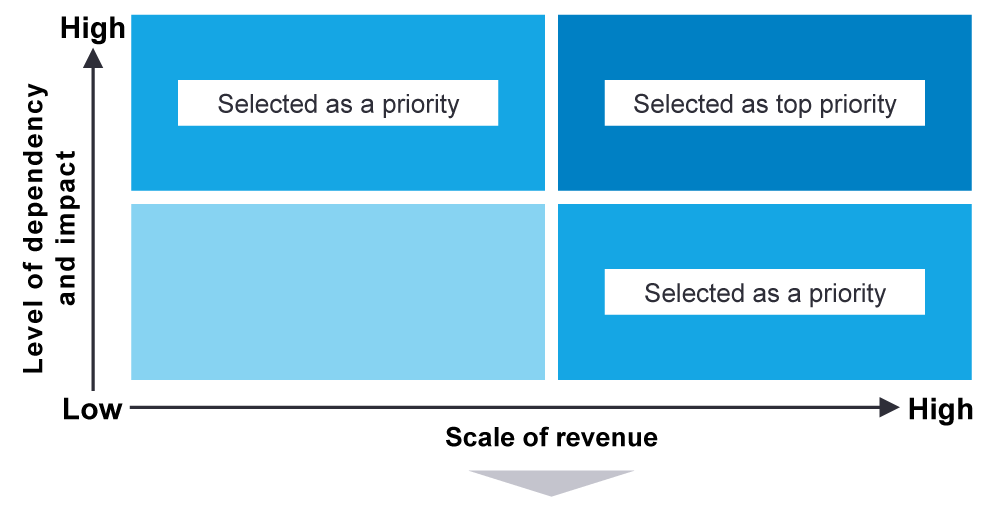
For this disclosure, we assessed the Group's dependencies and impacts on nature in both direct operations and upstream value chains across 40 representative businesses and conducted biodiversity significance assessments around major sites (excluding office functions considered to have relatively low dependencies and impacts on nature). We then selected seven priority businesses based on the assessment results, scale of revenue, and other factors, and evaluated and analyzed nature-related issues (dependencies, impacts, risks, and opportunities) at major direct-operation sites such as factories, power plants, warehouses, and stores in line with the LEAP approach.
To broaden the analysis to include value chains, we conducted scenario analysis and calculated financial impacts for the three highest-priority businesses among the seven priority businesses, which were assessed as having significant dependencies and impacts on nature in their upstream value chains, including site development processes.
For major direct-operation sites of the seven priority businesses, we assessed the surrounding natural conditions using multiple TNFD-recommended tools (IBAT*1, Aqueduct*2, and GFW*3). For the value-chain analysis of the grain collection and logistics business, we used MapBiomas Brazil*4 and priority area data for environmental conservation designated by the Brazilian government to gain a detailed understanding of natural conditions and changes in land use in Brazil, the business's main country of operation. We also used GIS*5 to assess natural conditions in the municipalities where farms with which the Group does business are located.
We then combined the factors that could constitute risks for each business (dependencies and impacts), identified through the LEAP approach, with assessments of the surrounding natural conditions, and identified regions and sites that require particular attention considering their surrounding natural environments.
The Group is advancing carbon neutrality, the circular economy, and nature positive in an integrated manner, working to resolve environmental issues, and aiming to realize a sustainable society.
Because climate change and natural capital affect each other, this disclosure based on the TNFD recommendations places importance on alignment with climate-related disclosures based on the recommendations of the TCFD (Task Force on Climate-related Financial Disclosures). Specifically, we provide disclosures designed to ensure consistency between the two frameworks, including by defining and analyzing scenarios corresponding to the 1.5°C and 4°C climate change scenarios.
Going forward, we will continue to enhance integrated and consistent TCFD and TNFD disclosures, taking into account the interrelationship between climate and nature.
This disclosure sets FY2027 as the short-term horizon, FY2030 as the medium-term horizon, and FY2050 as the long-term horizon.
The Group works to address social issues through its business activities. When launching new business operations, we conduct environmental impact assessments, engage in dialogue with local residents, and maintain regular relations with local communities after operations begin.
In response to the growing social importance of these issues, the Group renamed the former “Supply Chain CSR Guidelines” the “Supply Chain Sustainability Behavioral Guidelines” in 2022. In July 2025, we revised the “Toyota Tsusho Group Human Rights Policy” and the “Supply Chain Sustainability Behavioral Guidelines” to clarify the Group's approach to human rights and the environment. Upon revision, these Guidelines were re-communicated to approximately 6,000 suppliers of Toyota Tsusho and its domestic and overseas consolidated subsidiaries, encouraging their implementation in practice.
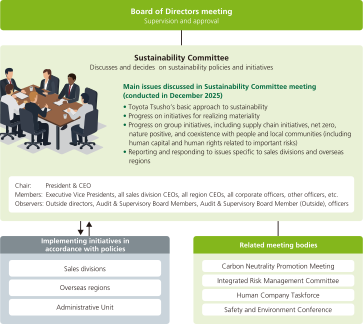
The Group’s Board of Directors, comprising ten members including five outside directors, makes decisions on key management issues and monitors the execution of business by the directors. The Board of Directors meeting regularly discusses nature-related issues and progress on material issues through annual reviews and reports from the Sustainability Committee on the progress and outcomes of its initiatives, as well as through deliberations on investment and loan decisions several times a year. These processes ensure that the Board exercises appropriate oversight. In addition to nature-related matters, the Board also receives reports and exercises oversight, as appropriate, on other important sustainability issues such as climate change, human rights, and compliance.
The Group has established the Sustainability Committee as a key driver of Sustainability Management, including responses to nature-related issues. Chaired by the President & CEO, the committee comprises Executive Vice Presidents, sales division CEOs, and relevant corporate officers, with four outside directors serving as advisors and the Chairman, Vice Chairman, and full-time Audit & Supervisory Board Members serving as observers. The Sustainability Committee determines important sustainability-related policies, identifies social trends, and discusses and decides on Toyota Tsusho’s responses to them in annual meetings. Furthermore, the Sustainability Corporate Subcommittee, which convenes every two months and is composed of the heads of relevant corporate departments, discusses various issues at a general manager level to enable swift responses.
In addition, the Global Safety and Environmental Committee annually deliberates on and confirms the Group's responses to revisions to laws and regulations and new requirements concerning nature-related issues. The representatives of the sales divisions and group companies who make up the members of the conference incorporate the details of these deliberations into our business activities.
For details on the supervisory framework and current practices, please refer to the “Sustainability Promotion Structure.”
As we conduct business around the world, we consider respect for human rights based on international standards to be a fundamental foundation of our activities. We support the International Bill of Human Rights, which includes the Universal Declaration of Human Rights; the Guiding Principles on Business and Human Rights; and the ILO Declaration on Fundamental Principles and Rights at Work issued by the International Labour Organization (ILO), and we are committed to respecting human rights. With regard to the rights of indigenous peoples, we recognize their unique cultures and histories in the countries and regions where they reside. Furthermore, we give due consideration to the rights of indigenous peoples as stipulated in the laws and regulations of those countries and regions, as well as in international norms such as the United Nations Declaration on the Rights of Indigenous Peoples.
In response to the growing social importance of these issues, the Group assessed human rights risks under the Toyota Tsusho Group Human Rights Policy. Having identified high-risk domains, we have been conducting human rights due diligence by administering questionnaires and carrying out on-site investigations, among other measures, to mitigate these risks. In addition, with respect to human rights risks in the supply chain, we have been advancing human rights due diligence for suppliers. We analyze human rights risks from the three perspectives of business nature (business sector), location (country), and merchandise we handle, as we do for our consolidated subsidiaries, utilizing international indicators and tools. We will conduct questionnaires and on-site audits as necessary for suppliers that are identified as high risk. Furthermore, we have established a consultation desk for all stakeholders—including business partners, suppliers, local community residents, and employees of Toyota Tsusho and its domestic and overseas consolidated subsidiaries—through which we receive consultations and reports related to human rights and labor issues (grievance mechanism). Through these efforts, we will identify negative human rights impacts and work to prevent or mitigate them.
The Toyota Tsusho Group supports the Keidanren Initiative for Biodiversity Conservation and promotes collaboration with external stakeholders to fulfill its corporate responsibility for biodiversity conservation. Specifically, the Group works with local governments in the regions where it operates on various initiatives that help to reduce the impact on ecosystems while conserving and restoring the natural environment. It also participates in the J-GBF Nature Positive Declaration and actively contributes to society-wide efforts to achieve nature positivity.
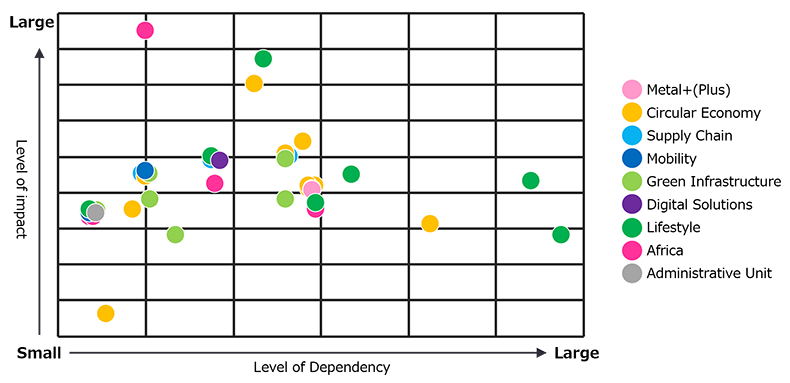
The Toyota Tsusho Group operates a wide variety of businesses—including manufacturing, distribution, sales, and operations—across approximately 130 countries and regions worldwide. To select businesses for assessment, we undertook the Scoping Phase of the LEAP approach to gain a comprehensive understanding of the Group's interfaces with nature across its businesses and sites. Using ENCORE*6, we assessed dependencies and impacts on nature in the upstream value chain and direct operations of the Group’s 40 representative businesses (Phase 1).
The ENCORE assessment found significant dependencies on ecosystem services such as mass stabilization and erosion control*7, surface water, and groundwater, as well as significant impacts from GHG emissions, water use, and water pollution. It also found that dependencies and impacts were relatively significant in upstream value chains involving raw material extraction. Based on these findings, we selected businesses for assessment and decided to conduct detailed analyses in line with the LEAP approach.
| Division / Unit | Top Three Dependencies | Top Three Impacts | Representative Value Chains of Each Division / Unit *Upstream of direct operations |
||||
|---|---|---|---|---|---|---|---|
| Metal+(Plus) | Climate regulation | Mass stabilization and erosion control | Groundwater | GHG emissions | Water use | Solid waste |
|
| Surface water | |||||||
| Flow maintenance | |||||||
| Circular Economy | Climate regulation | Mass stabilization and erosion control | Groundwater | GHG emissions | Water use | Water pollution |
|
| Supply Chain | Surface water | Groundwater | Mass stabilization and erosion control | GHG emissions | Water pollution | Water use |
|
| Mobility | Mass stabilization and erosion control | Groundwater | Surface water | GHG emissions | Water use | Water pollution |
|
| Green Infrastructure | Mass stabilization and erosion control | Climate regulation | Groundwater | GHG emissions | Water use | Water pollution |
|
| Digital Solutions | Groundwater | Surface water | Climate regulation | GHG emissions | Water use | Water pollution |
|
| Lifestyle | Mass stabilization and erosion control | Flood and storm protection | Surface water | Water pollution | GHG emissions | Soil pollution |
|
| Africa | Mass stabilization and erosion control | Surface water | Groundwater | GHG emissions | Water use | Water pollution |
|
| Administrative Unit | Mass stabilization and erosion control | Flood and storm protection | Climate regulation | GHG emissions | Water use | Water pollution |
|
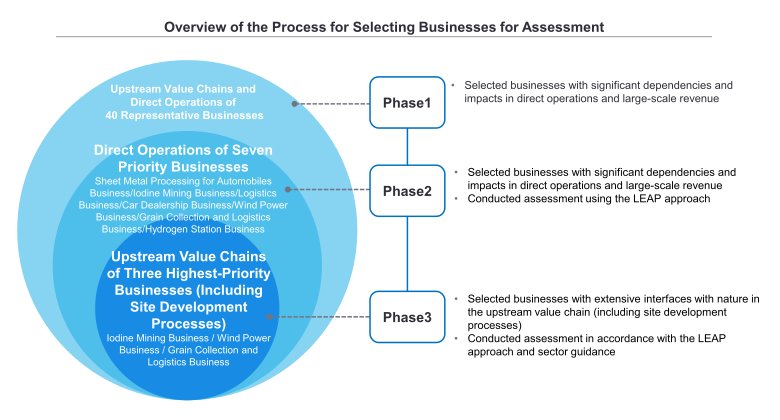
The Group operates a wide variety of businesses around the world and has extensive interfaces with nature throughout its value chains. Given this, we believe it is important to comprehensively consider our dependencies and impacts on nature and the scale of their effects on our business, identify priority businesses for assessment and action, and advance our initiatives.
Based on this approach, we first prioritized direct operations as the area for analysis and conducted evaluations and analyses in line with the LEAP approach. Specifically, based on the results of ENCORE evaluations and analyses of 40 representative businesses, scale of revenue, and other factors, we selected seven priority businesses for assessment and action. The specific businesses are listed below. After reviewing operations at their direct-operation sites, we organized their dependencies and impacts on nature and related risks and opportunities (Phase 2).
| Seven Priority Businesses |
|---|
| Sheet Metal Processing for Automobiles Business/Iodine Mining Business/Logistics Business/Car Dealership Business/Wind Power Business/Grain Collection and Logistics Business/Hydrogen Station Business |
Of the seven priority businesses, we expanded the scope of analysis for the three highest-priority businesses considered to have particularly significant dependencies and impacts on nature in their upstream value chains to include those upstream value chains (including site development processes) and conducted assessments in accordance with the LEAP approach and TNFD sector guidance (Phase 3).
| Three Highest-Priority Businesses | Reasons for Selection |
|---|---|
| Site Development Process for the Iodine Mining Business | Because iodine mining involves drilling deep wells to depths of 2,000–3,000 meters, it is considered important to assess the scale of impacts on nature during the site development process |
| Site Development Process for the Wind Power Business | While the business contributes to climate change mitigation, wind power facilities are often located in areas rich in nature, making it important to assess the level of impacts on nature from the site development process through operations |
| Upstream Value Chain of the Grain Collection and Logistics Business | Because the business handles soybeans and corn, which are High Impact Commodities, it is considered important to assess the level of its dependencies on natural capital, including provisioning services |
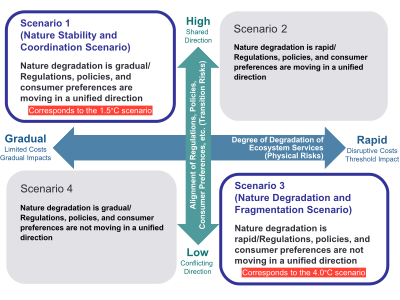
For the three highest-priority businesses, we conducted scenario analyses based on risks and opportunities identified in the Evaluate phase of the LEAP approach and assessed their future risks and opportunities. The TNFD recommends combining two axes – the degree of ecosystem service degradation and the consistency of regulations, policies, consumer preferences, and other factors – to create four quadrants. To understand risks arising from the interrelationship between climate and nature and consider appropriate response measures, we analyzed Quadrant 1 (Scenario 1) and Quadrant 3 (Scenario 3), envisioning specific world conditions in 2050. These quadrants correspond to the 1.5°C and 4°C climate change scenarios and were selected in consideration of alignment with the Group's TCFD disclosures. The analysis took the form of workshops involving relevant personnel from each business division and affiliated company, who discussed the likelihood and impact of risks and opportunities that could arise under envisioned world conditions.
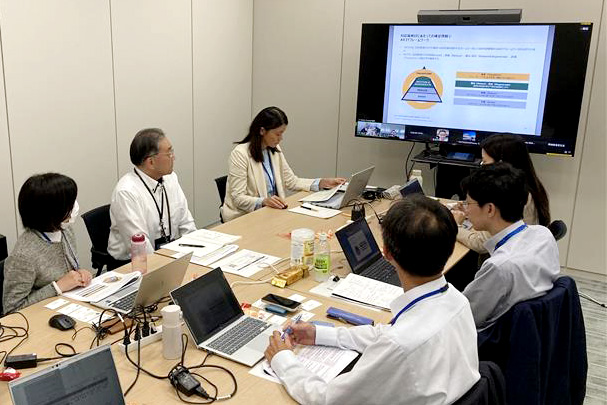
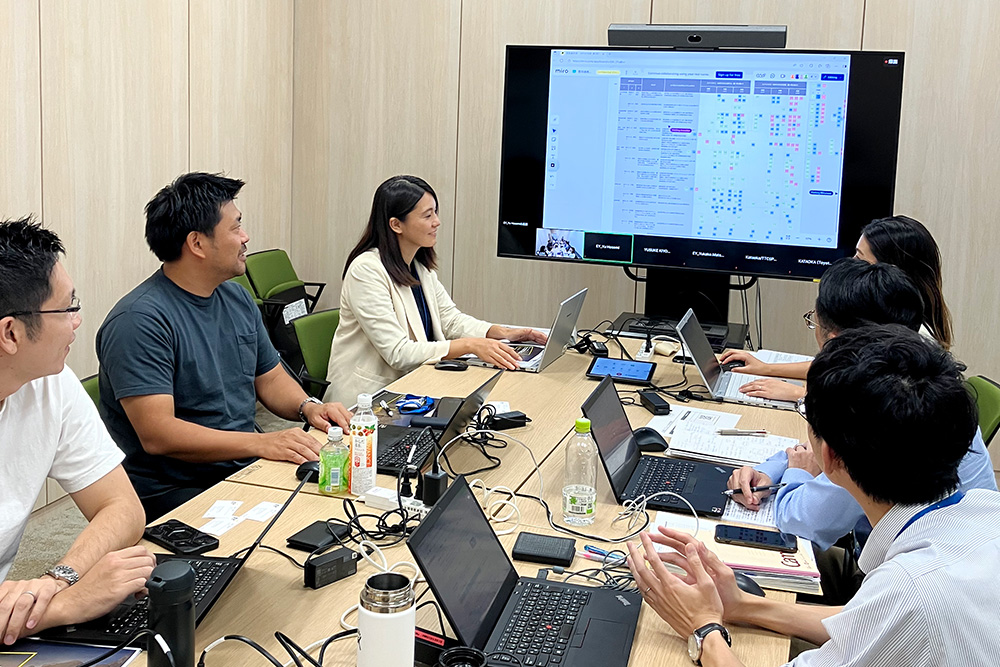
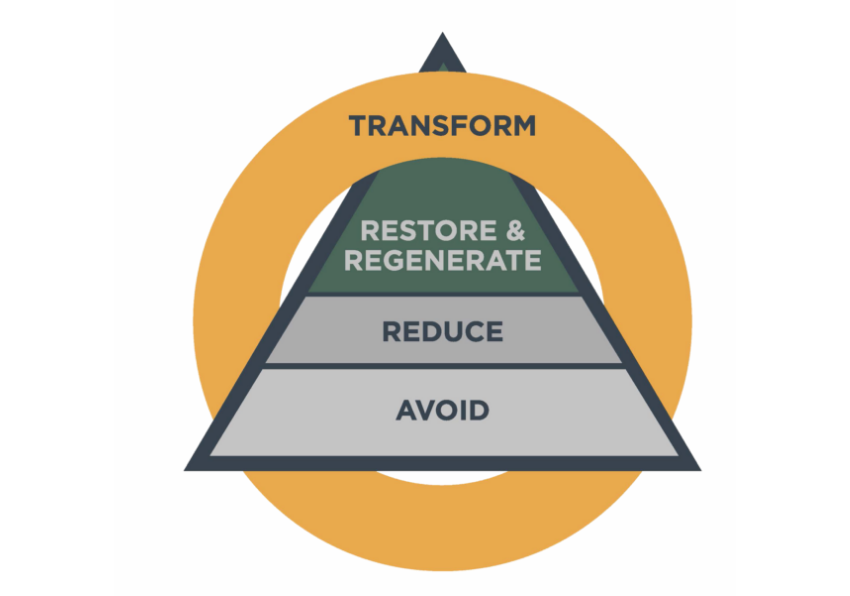
For the principal risks identified through the scenario analysis, we considered response measures based on the SBTN AR3T framework. After confirming measures already in place, we considered additional measures that could be effective and examined their feasibility. These measures are specifically designed to reflect the characteristics of each business and the local natural environment. We will continue to review and improve them to support sustainable business operations.
The above assessment results and response measures are summarized in [2] Assessing Nature-related Dependencies, Impacts, Risks and Opportunities.
For four of the seven priority businesses, namely the sheet metal processing for automobiles, logistics, car dealership, and hydrogen station businesses, the assessment results and response measures for direct operations are summarized below.
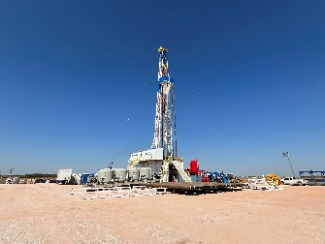
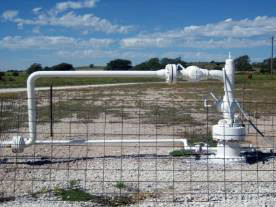
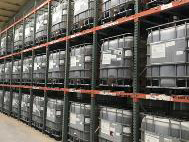
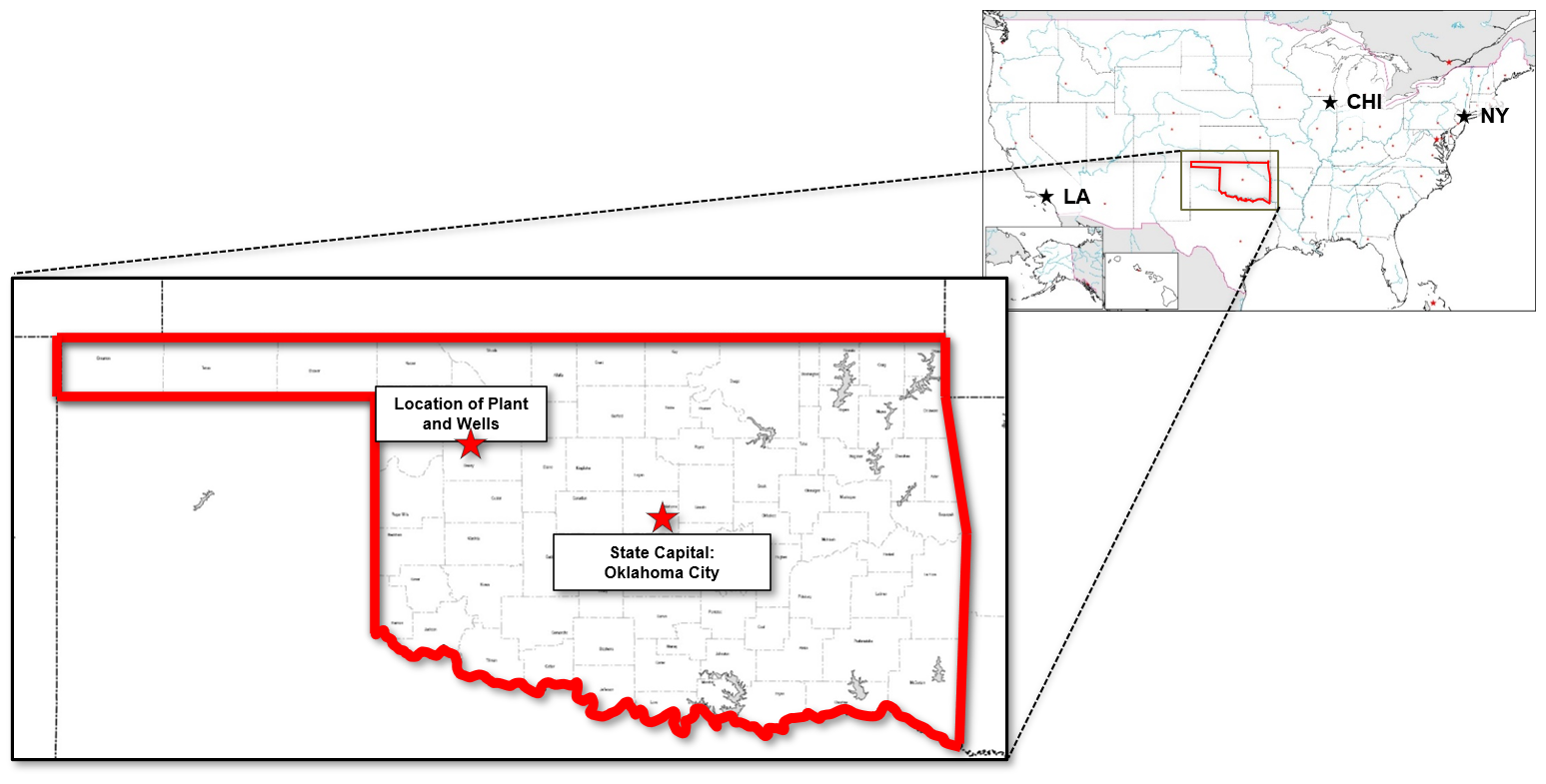
The Group operates an iodine development business in Oklahoma, U.S., producing iodine that is essential for daily life and used in disinfectants, X-ray contrast media, and other applications. We conducted a LEAP analysis, including scenario analysis, of direct operations and site development processes for the iodine mining business.
The wells are located within a vast area of Oklahoma. During operations, iodine is extracted from brine (groundwater) pumped from underground, and ground stability is essential for stable iodine mining. Well drilling during site development uses drilling mud and passes through freshwater aquifers, so the Group recognizes the potential impact on the surrounding environment. To address these risks, it takes appropriate measures during drilling, including installing barriers, and returns the pumped brine underground to minimize impacts on the surrounding environment.
Dependencies and Impacts on Nature, Risks, Opportunities, and Response Measures
For the iodine mining business, we identified the following principal dependencies and impacts* during operations and site development.
| Phase | Key Dependencies | Key Impacts | Overview (Operations with Interfaces with Nature) |
|---|---|---|---|
| During operations | Freshwater supply*1 Water purification |
Resource use | Continuous use of iodine-containing brine (groundwater resources) |
| Air purification | Climate Change | Continuous CO2 emissions from the use of electricity and fuel | |
| Air purification | Pollution | Continuous emissions of air pollutants from the use of combustion furnaces | |
| - | Pollution | Discharge of waste brine, use and storage of chemical substances, and generation of industrial waste | |
| During site development | Freshwater supply Water purification |
Resource use | Use of river water and groundwater in preparing drilling mud used in the drilling process |
| Air purification | Pollution Climate change |
Exhaust gas and CO2 emissions from the operation of construction machinery | |
| - | Pollution | Use of chemicals in drilling mud during the drilling process, generation of industrial waste such as drilling cuttings, and installation and storage of diesel tanks |
Based on the assessment of dependencies and impacts in the iodine mining business, we identified risks and opportunities related to nature in direct operations and site development processes and set out the corresponding response measures.
Risk
| Risk Category | Risk Overview | Direct Operations |
Site Development Process |
Financial Impact | Scenario #1 (Nature Stability and Coordination Scenario) |
Scenario #3 (Nature Degradation and Fragmentation Scenario) |
Response Measures | |||
|---|---|---|---|---|---|---|---|---|---|---|
| Time Horizon | Magnitude of Impact | Time Horizon | Magnitude of Impact | |||||||
| Physical risk | Acute | Decline in shallow groundwater levels and deterioration in water quality attributable to stakeholders during the site development process | ● |
|
Short- to long-term | I | Short- to long-term | I |
|
|
| Chronic | Increase in natural disasters (wildfires) due to the progression of climate change | ● |
|
Short- to long-term | II | Short- to long-term | II |
|
||
| Transition risk | Policy | Tighter restrictions on the volume of water reinjected into aquifers other than the withdrawal aquifer due to changes in ordinances, standards, etc. | ● |
|
Medium- to long-term | I | - | - |
|
|
| Tighter regulations governing the site development process under laws and regulations 【related to shallow groundwater, noise, and light pollution】 | ● |
|
Medium- to long-term | I | - | - |
|
|||
| Tighter regulations due to changes in laws, standards, etc. 【related to air quality】 | ● |
|
Medium- to long-term | I | - | - |
|
|||
| Technology | Transition to technologies with less impact on nature | ● |
|
Medium- to long-term | III | Medium- to long-term | III |
|
||
| Liability | Liability for damages associated with declines in shallow groundwater levels and water pollution during the site development process | ● |
|
Short- to long-term | I | Short- to long-term | I |
|
||
During the assessment, we also considered risk items such as damage to the corporate brand caused by inadequate management of nature-related issues, litigation resulting from soil contamination, and impacts on the surrounding environment and ecosystems from land expansion. However, the scenario analysis indicated that these risks currently have limited impacts, so they are not included in the risk table.
Opportunity
| Opportunity Category | Opportunity Overview | Direct Operations |
Site Development Process |
Financial Impact | Scenario #1 (Nature Stability and Coordination Scenario) |
Scenario #3 (Nature Degradation and Fragmentation Scenario) |
|||
|---|---|---|---|---|---|---|---|---|---|
| Business Performance | Sustainability Performance | Time Horizon | Magnitude of Impact | Time Horizon | Magnitude of Impact | ||||
| Products and services | Sustainable use of natural resources | Expansion of the iodine recycling business | ● |
|
Short- to long-term | II-III | Short- to long-term | II-III | |
| Resource efficiency | Sustainable use of natural resources | Improvement in resource use efficiency by increasing the iodine recovery rate from brine | ● |
|
Short- to long-term | I | Short- to long-term | I | |
| Sustainable use of natural resources | Shift from propane gas to other energy sources as an initiative to reduce GHG emissions | ● |
|
Short- to long-term | I | Medium- to long-term | I | ||
| Market | - |
Increase in market demand
|
● |
|
Short- to long-term | III | Short- to long-term | III | |
In the iodine mining business, brine used as a raw material is reinjected underground to maintain the quantity and quality of water resources.
By conducting operations with due consideration for the balance of groundwater systems, we seek to minimize the impact on surrounding ecosystems and local water use and conserve natural capital.
We will continue operations while appropriately managing impacts on nature, including water resources.
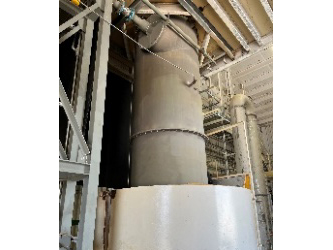
The iodine recycling business is an initiative to reduce groundwater use and environmental impacts associated with new mining by recovering and reusing residual iodine generated by iodine users.
Through resource circulation, we aim to reduce dependencies and impacts on natural capital and contribute to achieving nature positive outcomes.
We will continue to expand this business as an opportunity to achieve both environmental value and business growth in the medical and next-generation technology fields, where demand is expected to increase.
Sites Requiring Attention Based on Surrounding Natural Environments
Using TNFD-recommended tools, we comprehensively assessed natural conditions around the factory and pumping wells in Oklahoma, U.S., including their proximity to protected areas (PAs) and Key Biodiversity Areas (KBAs), and physical risks such as water stress. We confirmed that none of these sites requires particular attention in light of the surrounding natural environment.
Based on the ENCORE assessment, the production processes with the highest scores for dependencies and impacts were as follows.

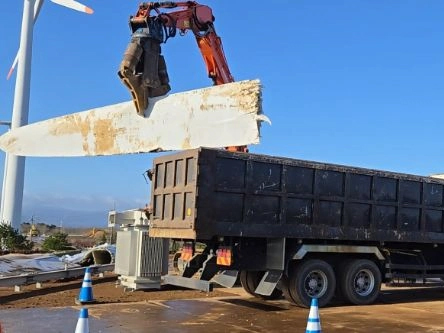
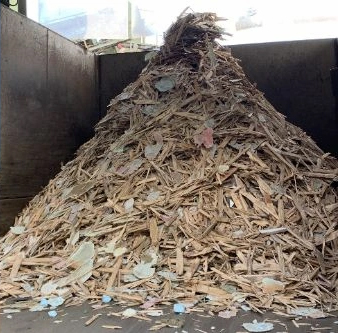
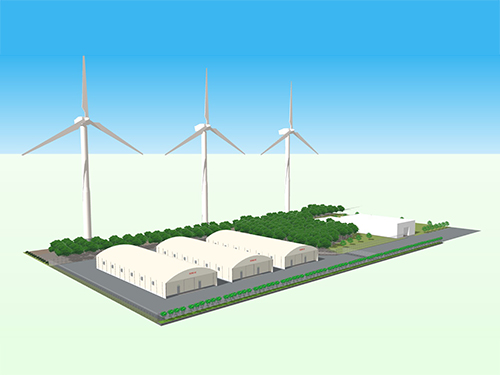
The Group operates power generation businesses worldwide, including wind, solar, hydroelectric, geothermal, and biomass power, with Eurus Energy at the core. It is also focused on promoting development in Africa and emerging countries and expanding offshore wind power. For the wind power business, we conducted a LEAP analysis, including scenario analysis, covering direct operations and site development and decommissioning processes.
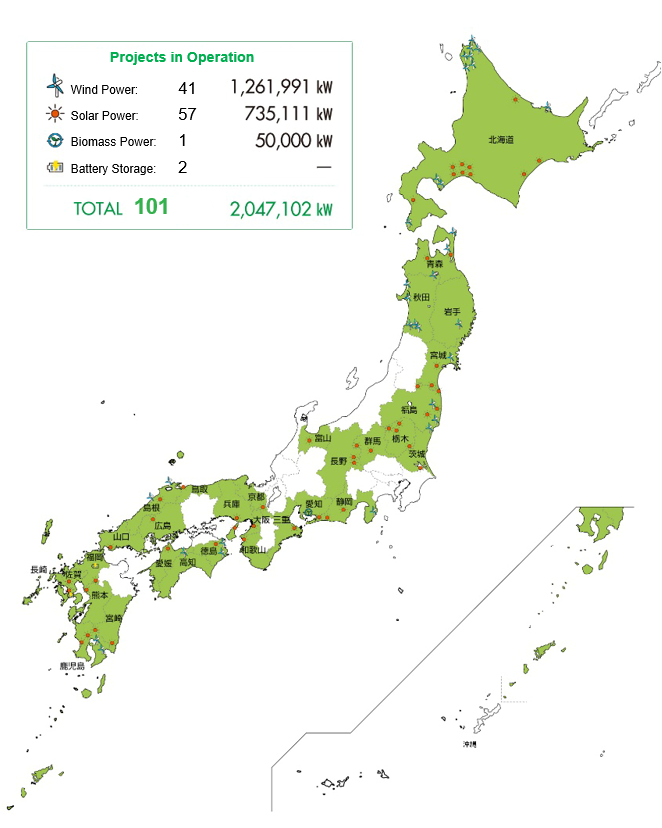
Eurus Energy operates wind power generation at 102 sites worldwide, located in areas with diverse natural characteristics, including mountainous areas, coastal areas, and grasslands. All of these sites depend on ground stability for stable operations. While wind power plays an important role in mitigating climate change, the Group recognizes concerns about the alteration of natural areas and the resulting impacts on surrounding ecosystems. It carefully conducts environmental impact assessments and follow-up monitoring and will continue working to reduce burdens on the natural environment by consulting nature experts while considering and introducing additional effective conservation measures.
Dependencies and Impacts on Nature, Risks, Opportunities, and Response Measures
For the wind power business, we identified the following principal dependencies and impacts* during operations, site development, and decommissioning.
| Phase | Key Dependencies | Key Impacts | Overview (Operations that Interact with Nature) |
|---|---|---|---|
| During Site development / Decommissioning | Soil and sediment retention | - | Site development work on land with stable ground conditions |
| - | Land use change | Modification of areas rich in nature | |
| Air purification | Pollution Climate change |
Exhaust gas and CO2 emissions from the operation of construction machinery | |
| Water purification | Pollution | Discharge of construction wastewater (turbid water) associated with rainfall during site development work | |
| During operations | Other provisioning services | Resource use | Use of raw materials classified as High Impact Commodities in power generation components |
| Noise attenuation | Pollution | Generation of noise from wind turbine operations | |
| Soil and sediment retention | - | Location on land with stable ground conditions | |
| - | Land use change | Location in areas rich in nature |
Based on the assessment of dependencies and impacts in the wind power business, we identified risks and opportunities related to nature in direct operations and site development and decommissioning processes and set out corresponding response measures.
Risk
| Risk Category | Risk Overview | Direct Operations |
Site Development / Decommissioning Process |
Financial Impact | Scenario #1 (Nature Stability and Coordination Scenario) |
Scenario #3 (Nature Degradation and Fragmentation Scenario) |
Response Measures | |||
|---|---|---|---|---|---|---|---|---|---|---|
| Time Horizon | Magnitude of Impact | Time Horizon | Magnitude of Impact | |||||||
| Physical risk | Acute | Damage to site development / operating areas caused by natural disasters such as landslides | ● | ● |
|
- | - | Short- to long-term | III |
|
| Transition risk | Policy | Tighter restrictions on land-use areas due to the expansion of conservation areas | ● | ● |
|
Medium- to long-term | - | - | - |
|
| Tighter regulations on operations under laws and regulations 【noise】 |
● |
|
Medium- to long-term | I | - | - |
|
|||
| Tighter regulations on site development / decommissioning processes under laws and regulations 【related to wastewater (turbid water)】 |
● |
|
Short- to long-term | II | - | - |
|
|||
| Tighter regulations on site development / decommissioning processes under laws and regulations 【related to surplus soil】 |
● |
|
Short- to long-term | I | - | - |
|
|||
| Unintended changes in procurement sources due to tighter procurement-related rules and regulations | ● |
|
Short- to long-term | - | - | - |
|
|||
| Market | Shift in customer preferences more environmentally-friendly companies | ● | ● |
|
Short- to long-term | II | Short- to long-term | II |
|
|
| Reputation | Accountability for adverse impacts on the surrounding environment and ecosystems arising from site development / decommissioning processes*
|
● |
|
Short- to long-term | II | Short- to long-term | II |
|
||
Accountability for adverse impacts on the surrounding environment and ecosystems arising from operations**
|
● |
|
Short- to long-term | III | Short- to long-term | III |
|
|||
During the assessment, we also considered risk items such as a decline in consistent wind conditions due to climate change, tighter regulations on light pollution during operations, tighter regulations on noise and hazardous substances during site development, and potential liability arising from environmental impacts caused by wastewater (turbid water). However, the scenario analysis indicated that these risks currently have limited impacts, so they are not included in the risk table.
Opportunity
| Opportunity Category | Opportunity Overview | Direct Operations | Site Development / Decommissioning Process | Financial Impact | Scenario #1 (Nature Stability and Coordination Scenario) | Scenario #3 (Nature Degradation and Fragmentation Scenario) | |||
|---|---|---|---|---|---|---|---|---|---|
| Business Performance | Sustainability Performance | Time Horizon | Magnitude of Impact | Time Horizon | Magnitude of Impact | ||||
| Market | - | Expansion of the wind power business in response to climate change (including offshore wind power) | ● |
|
Short- to long-term | Ⅲ | Short- to long-term | Ⅲ | |
| Market / Products and services | - | Establishment of data centers that locally produce and consume electricity from renewable energy sources | ● |
|
Short- to long-term | Ⅲ | Short- to long-term | Ⅲ | |
| Resource efficiency | Sustainable use of natural resources | Resource circulation through the recycling of plastics, waste reduction, and other measures | ● |
|
Medium- to long-term | Ⅰ | Long-term | Ⅰ | |
| Products and services | - | Expansion of integrated solutions businesses combining electricity, energy storage, energy management, and other services | ● |
|
Short- to long-term | Ⅲ | Short- to long-term | Ⅲ | |
| Financing and funding | - | Use of green finance, subsidies, and other funding for the introduction of processes and equipment that contribute to environmental conservation | ● |
|
Short- to long-term | - | Short- to long-term | - | |
| Reputational capital | Protection, restoration, and regeneration of ecosystems |
Implementation of initiatives for biodiversity conservation and environmental considerations
|
● | ● |
|
Short- to long-term | - | Short- to long-term | - |
Sites Analyzed and Assessed Considering Surrounding Natural Environments
Based on the ENCORE assessment, the production processes with the highest scores for dependencies and impacts were as follows.

The Group operates a grain collection and logistics business. We conducted a LEAP analysis of direct operations at its warehouses, transshipment facilities, and port terminals in central and northeastern Brazil, as well as soybean and corn cultivation at farms in Brazil in the upstream supply chain.
The grain collection and logistics business handles soybeans and corn classified as High Impact Commodity. In the upstream supply chain, these grains are cultivated in Brazil's nature-rich regions, including the Amazon and Cerrado, and the Group recognizes concerns that this cultivation may contribute to deforestation. As the business also depends on soil stability and specific climate conditions in regions where farms are located to ensure stable grain collection, the inappropriate use of fertilizers and pesticides could affect the surrounding environment. The business has obtained RTRS certification and supports RTRS activities throughout the supply chain, thereby promoting sustainable operations.
Dependencies and Impacts on Nature, Risks, Opportunities, and Response Measures
For the grain collection and logistics business, we identified the following principal dependencies and impacts during operations and in the upstream supply chain.
| Phase | Key Dependencies | Key Impacts | Overview (Operations That May Interact with Nature) |
|---|---|---|---|
| Upstream SC | - | Land use change | Grain cultivation involving land conversion at supplier farms |
| Flood mitigation/Soil and sediment retention/Soil quality regulation/Water purification/Water flow regulation/Storm mitigation | Land use change | Grain cultivation on stable land at supplier farms | |
| Global climate regulation/Local climate regulation/Rainfall pattern regulation | - | Grain cultivation at supplier farms dependent on optimal rainfall and other climatic conditions | |
| Freshwater Supply | Resource use | Use of irrigation water at supplier farms in certain regions | |
| - | Pollution | Use of fertilizers and pesticides at supplier farms | |
| Direct Operations | Biomass supply/Other provisioning services | Resource use | Handling of grains classified as High Impact Commodity (purchasing, sales, etc.) |
| Biomass supply | Resource use | Use of biofuels | |
| Air purification | Climate change | Continuous CO2 emissions from electricity and fuel use | |
| - | Pollution | Storage of potentially combustible materials (dust, firewood, etc.) |
Based on the assessment of dependencies and impacts in the grain collection and logistics business, we identified risks and opportunities related to nature in direct operations and set out corresponding response measures.
Risk
| Risk Category | Risk Overview | Direct Operations |
Upstream SC |
Financial Impact | Scenario #1 (Nature Stability and Coordination Scenario) |
Scenario #3 (Nature Degradation and Fragmentation Scenario) |
Response Measures | |||
|---|---|---|---|---|---|---|---|---|---|---|
| Time Horizon | Magnitude of Impact | Time Horizon | Magnitude of Impact | |||||||
| Physical risks | Acute | Impacts such as destruction of operating areas caused by wildfires | ● |
|
Medium- to long-term | II | Short- to long-term | II-III |
|
|
| Difficulty procuring biofuel due to resource shortages caused by natural disasters, etc. | ● |
|
Short- to long-term | I | Short- to long-term | I |
|
|||
| Acute / Chronic |
Abnormal outbreaks of pests and other organisms due to climate-driven habitat shifts | ● |
|
Short- to long-term | II | Short- to long-term | II |
|
||
| Transition risks | Policy | Irrigation water shortages due to strengthened water supply regulations under laws and regulations | ● |
|
Long-term | II | Medium- to long-term | II |
|
|
| Stronger legal and regulatory restrictions on the use of fertilizers, pesticides, etc. | ● |
|
Medium- to long-term | II | - | - | ||||
| Market | Increased procurement costs for certification and stringent purchasing standards | ● | ● |
|
Medium- to long-term | I* | - | - |
|
|
| Increased difficulty procuring grain due to growing demand for certified and environmentally friendly products | ● |
|
Short- to long-term | Short- to long-term |
|
|||||
| Technology | Introduction of lower-impact technologies at directly operated sites | ● |
|
Medium- to long-term | Medium- to long-term |
|
||||
| Reputational | Accountability for deforestation at procurement sources | ● |
|
Short- to long-term | Short- to long-term |
|
||||
| Accountability for impacts on the surrounding environment caused by improper use of fertilizers and pesticides at supplier farms (deterioration of soil and water quality, downstream eutrophication, air pollution, and adverse impacts on surrounding ecosystems) | ● |
|
Medium- to long-term | I | Medium- to long-term | I |
|
|||
|
Medium- to long-term | II | Medium- to long-term | II | ||||||
| Liability | Liability for fires and impacts on the surrounding environment caused by leakage of potentially combustible materials, such as dust and firewood, stored at directly operated sites | ● |
|
Short- to long-term | Short- to long-term |
|
||||
During the assessment, we also considered risk items such as insufficient rainfall caused by climate change and liability for pollution resulting from leaks from diesel tanks at direct-operation sites. However, the scenario analysis indicated that these risks currently have limited impacts, so they are not included in the risk table.
Opportunity
| Opportunity Category | Opportunity Overview | Direct Operations |
Upstream SC |
Financial Impact | Scenario #1 (Nature Stability and Coordination Scenario) |
Scenario #3 (Nature Degradation and Fragmentation Scenario) |
|||
|---|---|---|---|---|---|---|---|---|---|
| Business Performance |
Sustainability Performance |
Time Horizon | Magnitude of Impact | Time Horizon | Magnitude of Impact | ||||
| Products and services | Sustainable use of natural resources |
Increased volume of certified grain and grain meeting stringent purchasing standards
|
● | ● |
|
Short- to long-term | I* | Short- to long-term | |
| Capital flow and financing | - |
Generation of forest conservation-derived carbon credits (REDD+)
|
● |
|
Short- to long-term | Short- to long-term | |||
| Use of green finance and various subsidies to introduce processes and equipment that support environmental conservation | ● |
|
Short- to long-term | - | Short- to long-term | - | |||
| Resource efficiency | Sustainable use of natural resources |
GHG emission reduction initiatives
|
● |
|
Medium- to long-term | - | - | - | |
| Reputational capital | Ecosystem protection, restoration, and regeneration | Environmental conservation activities Contribution to environmental conservation and nature restoration through natural environment conservation activities | ● |
|
Short- to long-term | - | Short- to long-term | - | |
Establishing a procurement policy on deforestation
|
● |
|
Short- to long-term | Short- to long-term | |||||
| Stronger engagement with farmers through satellite monitoring (monitoring wildfires and checking forest conservation ratios) | ● |
|
Short- to long-term | Short- to long-term | |||||
| Market | - | Expansion of the traceability system to other companies | ● | ● |
|
Short- to long-term | Short- to long-term | ||
To ensure sustainability throughout the supply chain, we monitor the farmland where the grain we collect is produced using remote sensing technology and geographic information systems. We also carefully select suppliers by cross-checking our farmer database against information on environmental violations published by government agencies and other organizations.
(Key information cross-checked)
RTRS is an international initiative that provides certification for responsible soybean production and distribution.
NovaAgri has obtained certification to deliver RTRS value throughout the supply chain and supports RTRS-related activities.
2BSvs certification is a European certification standard for sustainable biomass and biofuels. NovaAgri obtained 2BSvs certification in May 2022 and sells grain produced and collected in an environmentally responsible manner.
(Main certification requirements and management items)
Through these efforts, we have worked to obtain certification early and carefully select suppliers using our contracted farmer database and information from government agencies. We believe the risk of higher procurement costs associated with certification and stringent purchasing standards is limited and expect such increases to be offset through pass-through pricing and other measures. We will continue working to secure market access in response to demand for sustainable grain.
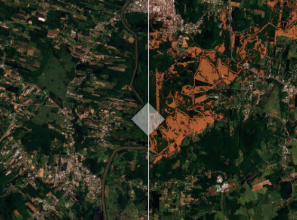
We aim to create new business opportunities by generating forest conservation-derived carbon credits.
We believe that this initiative goes beyond simply generating carbon credits.
By halting ecosystem degradation in production areas and putting natural capital on a recovery trajectory,
it directly contributes to becoming nature positive. The Group aims to strengthen business resilience by simultaneously conserving biodiversity and building a sustainable procurement base while creating new revenue opportunities.
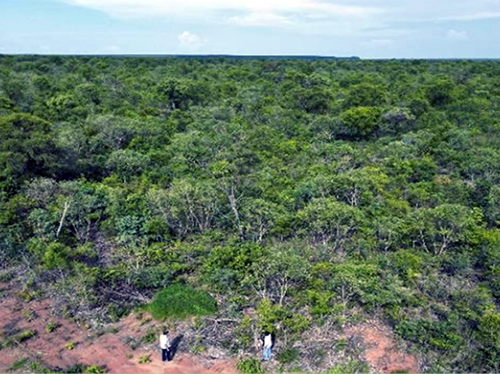
Sites Analyzed and Assessed Considering Surrounding Natural Environments
We assessed 187 municipalities in 10 Brazilian states where farms with which the Group does business are located, and obtained the following results.
We also assessed three direct-operation sites in Brazil, consisting of warehouses, transshipment facilities, and port terminals, and identified the port terminal in São Luís, Maranhão, as a site requiring particular attention considering the surrounding natural environment.
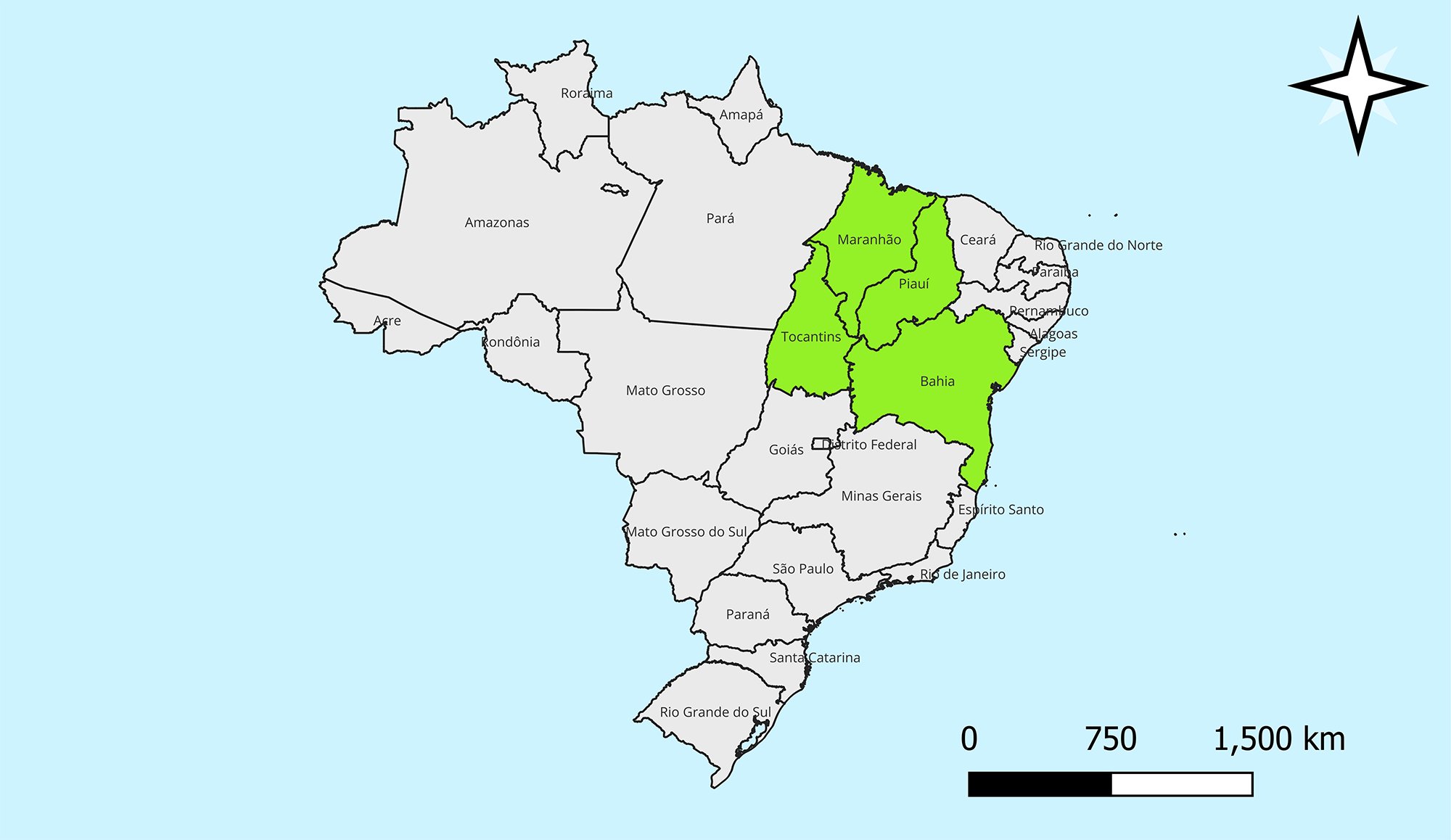
ENCORE assessment results showed that the following production process had the highest dependency and impact scores.

The Group sells, distributes, and processes metal materials for a wide range of industries, including steel sheets, nonferrous metals, and other materials for mobility, as well as materials for the energy and infrastructure sectors. Within these operations, we conducted a LEAP analysis focusing on the mobility sheet metal processing business, which has a large number of operating entities.
Dependencies and Impacts on Nature, Risks, Opportunities, and Response Measures
For the sheet metal processing for automobiles business, we identified the following dependencies and impacts during operations.
| Key Dependencies | Key Impacts | Overview (Operations that Interact with Nature) |
|---|---|---|
| Air purification | Climate change | Ongoing CO2 emissions from electricity use |
| Air purification | Pollution | Ongoing emissions of air pollutants from the use of diesel forklifts |
| - | Pollution | Fuel storage and generation of industrial waste |
| Noise attenuation | Pollution | Use of noise-generating equipment |
| - | Introduction of invasive non-native species | Handling of goods transported over long distances |
Based on the assessment of dependencies and impacts in the sheet metal processing for automobiles business, we identified risks and opportunities related to nature in direct operations and set out corresponding response measures.
Risk
| Risk Category | Risk Overview | Negative Impacts on Business | Response Measures | |
|---|---|---|---|---|
| Physical risks | Acute | Impact on surrounding environment and ecosystems due to pollution |
|
|
| Impact on surrounding environment and ecosystems due to invasion of non-native species |
|
|||
| Chronic | Intensification of natural disasters caused by continuous CO2 emissions and climate change |
|
||
| Transition risks | Policy | Strengthening of regulations on CO2 emissions and pollution by laws and ordinances |
|
|
| Market | Shift in customer preferences toward companies with stronger environmental considerations |
|
||
| Reputational | Accountability for negative impacts on the surrounding environment and ecosystems caused by business operations |
|
||
| Technology | Transition to low-environmental-impact technologies |
|
||
| Liability | Occurrence of liability for compensation due to impacts such as pollution on surrounding environment and ecosystems |
|
||
Opportunity
| Opportunity Category | Opportunity Overview | |
|---|---|---|
| Business Performance | Sustainability Performance | |
| Market | - | Long-term increase in revenue by gaining access to new markets through the expanded use of green steel products that help conserve the environment |
| Capital flow and financing | - | Securing new fund procurement channels through green finance and various subsidies |
| Resource efficiency | Sustainable use of natural resources | Contribution to nature restoration, enhanced stakeholder recognition, and long-term reduction in operating costs through GHG emissions reduction initiatives, including solar power system installation and other factory-greening measures |
| Contribution to nature restoration, enhanced stakeholder recognition, and long-term reduction in operating costs through initiatives such as expanding the use of container vanning technology (CVT) to reduce packaging material waste | ||
| Reputational capital | Ecosystem protection, restoration, and regeneration | Improved stakeholder recognition through environmental preservation programs and contributions to environmental conservation and nature restoration via business activities |
Sites Analyzed and Assessed Considering Surrounding Natural Environments
After selecting and assessing 30 sites in Japan and overseas, we found that 22 require particular attention considering their surrounding natural environments.
ENCORE assessment results showed that the following production processes ranked among the highest in terms of dependency and impact scores.

The Group has local subsidiaries and operating entities worldwide and uses its sites and logistics networks to establish optimally integrated parts logistics systems, thereby building a global automotive parts supply chain. Within these operations, we conducted a LEAP analysis of the warehouse business of Toyotsu Logistics Service Co. Ltd., the principal business of which is logistics.
Dependencies and Impacts on Nature, Risks, Opportunities, and Response Measures
For the logistics business, we identified the following dependencies and impacts during operations.
| Key Dependencies | Key Impacts | Overview (Operations that Interact with Nature) |
|---|---|---|
| Air purification | Climate change | Ongoing CO2 emissions from electricity use |
| Air purification | Pollution | Ongoing emissions of air pollutants from the use of diesel forklifts |
| - | Pollution | Storage of alkaline detergents and fuels, generation of industrial waste, and use of plastic packaging materials |
| - | Introduction of invasive non-native species | Handling of goods transported over long distances |
| - | Land-use change | Site expansion and development |
Based on the assessment of dependencies and impacts in the logistics business, we identified risks and opportunities related to nature in direct operations and set out corresponding response measures.
Risk
| Risk Category | Risk Overview | Negative Impacts on Business | Response Measures | |
|---|---|---|---|---|
| Physical risks | Acute | Impact on surrounding environment and ecosystems due to pollution |
|
|
| Impact on surrounding environment and ecosystems due to invasion of non-native species |
|
|||
| Impact on surrounding environment and ecosystems due to land use and expansion |
|
|||
| Chronic | Intensification of natural disasters caused by continuous CO2 emissions and climate change |
|
||
| Transition risks | Policy | Strengthening of regulations on CO2 emissions and pollution by laws and ordinances |
|
|
| Strengthening of land use restrictions due to expansion of conservation areas |
|
|||
| Market | Shift in customer preferences toward companies with stronger environmental considerations |
|
||
| Reputational | Accountability for negative impacts on the surrounding environment and ecosystems caused by business operations |
|
||
| Technology | Transition to low-environmental-impact technologies |
|
||
| Liability | Occurrence of liability for compensation due to impacts such as pollution on surrounding environment and ecosystems |
|
||
Opportunity
| Opportunity Category | Opportunity Overview | |
|---|---|---|
| Business Performance | Sustainability Performance | |
| Capital flow and financing | - | Securing new fund procurement channels through green finance and various subsidies |
| Resource efficiency | Sustainable use of natural resources | Contribution to nature restoration, enhanced stakeholder recognition, and long-term reduction in operating costs through GHG emissions reduction initiatives such as installing solar power systems and considering obtaining ISCC certification |
| Contribution to nature restoration, enhanced stakeholder recognition, and long-term reduction in operating costs through material recycling and thermal recovery initiatives such as collecting plastic packaging bags and stretch film for conversion into recycled pellets, and reusing corrugated cardboard by reinforcing it with chemicals | ||
| Reputational capital | Ecosystem protection, restoration, and regeneration | Improved stakeholder recognition through environmental preservation programs and contributions to environmental conservation and nature restoration via business activities |
Sites Analyzed and Assessed Considering Surrounding Natural Environments
After selecting and assessing 13 warehouse sites in Japan, we found that eight require particular attention considering their surrounding natural environments.
ENCORE assessment results showed that the following production processes ranked among the highest in terms of dependency and impact scores.

The Toyota Tsusho Group exports passenger and commercial vehicles manufactured in Japan and overseas by automobile and transportation equipment manufacturers, primarily Toyota Group companies, to countries around the world. We also operate import distributors and dealerships through our global network spanning 150 countries. As part of these operations, we conducted a LEAP analysis of local dealership businesses.
Dependencies and Impacts on Nature, Risks, Opportunities, and Response Measures
In the car dealership business, we have identified the following dependencies and impacts during operations.
| Key Dependencies | Key Impacts | Overview (Operations that Interact with Nature) |
|---|---|---|
| Freshwater supply Water purification |
Resource use Pollution |
Water use and wastewater discharge during vehicle washing |
| Air purification | Climate change | Ongoing CO2 emissions from electricity and fuel use |
| - | Pollution | Storage of hazardous materials and generation of industrial waste |
| Noise attenuation | Pollution | Use of noise-generating equipment |
| - | Land-use change | Site expansion |
Based on the assessment of dependencies and impacts in the car dealership business, we identified risks and opportunities related to nature in direct operations and set out corresponding response measures.
Risk
| Risk Category | Risk Overview | Negative Impacts on Business | Response Measures | |
|---|---|---|---|---|
| Physical risks | Acute | Drought over a wide area of water sources and their surroundings Deterioration of water quality caused by other stakeholders |
|
|
| Impact on surrounding environment and ecosystems due to pollution |
|
|||
| Impact on surrounding environment and ecosystems due to land use and expansion |
|
|||
| Chronic | Intensification of natural disasters caused by continuous CO2 emissions and climate change |
|
||
| Transition risks | Policy | Strengthening of water supply regulations by laws and ordinances |
|
|
| Strengthening of regulations on CO2 emissions and pollution by laws and ordinances |
|
|||
| Strengthening of land use restrictions due to expansion of conservation areas |
|
|||
| Market | Shift in customer preferences toward companies with stronger environmental considerations |
|
||
| Reputational | Accountability for negative impacts on the surrounding environment and ecosystems caused by business operations |
|
||
| Technology | Transition to low-environmental-impact technologies |
|
||
| Liability | Occurrence of liability for compensation due to impacts such as pollution on surrounding environment and ecosystems |
|
||
Opportunity
| Opportunity Category | Opportunity Overview | |
|---|---|---|
| Business Performance | Sustainability Performance | |
| Market | - | Increased business volume driven by growing demand for hybrid and electric vehicles |
| Capital flow and financing | - | Securing new fund procurement channels through green finance and various subsidies |
| Resource efficiency | Sustainable use of natural resources | Reduced water use through wastewater recycling at effluent treatment plants (ETPs), contribution to nature restoration, lower long-term operating costs, and enhanced recognition from local stakeholders |
| Contribution to nature restoration and lower long-term operating costs through GHG emissions reduction initiatives such as installing solar power systems, and enhanced stakeholder recognition through initiatives such as carbon offsetting | ||
| Products and services | Sustainable use of natural resources | Long-term revenue growth, enhanced stakeholder recognition, and contribution to nature restoration by selling products that support sustainable procurement, including working with Toyota Motor Corporation to discuss offering vehicles suited to each market, such as hybrid vehicles, based on fuel conditions, the proportion of paved roads, and other local road conditions |
| Reputational capital | Ecosystem protection, restoration, and regeneration | Improved stakeholder recognition through environmental preservation programs and contributions to environmental conservation and nature restoration via business activities |
Sites Requiring Attention Based on Surrounding Natural Environments
Using natural resource assessment tools, we analyzed the surrounding environments of multiple business sites and confirmed that some sites are located near areas considered important for biodiversity conservation. We will continue to appropriately assess impacts on the natural environment and advance initiatives to mitigate risks.
ENCORE assessment results showed that the following production processes ranked among the highest in terms of dependency and impact scores.

The Toyota Tsusho Group operates hydrogen stations in anticipation of growing hydrogen demand accompanying the wider adoption of fuel cell (FC) commercial and passenger vehicles. As part of these operations, we conducted a LEAP analysis of the hydrogen station business.
Dependencies and Impacts on Nature, Risks, Opportunities, and Response Measures
In the hydrogen station business, we have identified the following dependencies and impacts during operations.
| Key Dependencies | Key Impacts | Overview (Operations that Interact with Nature) |
|---|---|---|
| Other provisioning services | Resource use | Use of hydrogen derived from natural gas |
| Air purification | Climate change | Ongoing CO2 emissions from electricity use |
| — | Pollution | Discharge of cooling water into rivers |
Based on the assessment of dependencies and impacts in the hydrogen station business, we identified risks and opportunities related to nature in direct operations and set out corresponding response measures.
Risk
| Risk Category | Risk Overview | Negative Impacts on Business | Response Measures | |
|---|---|---|---|---|
| Physical risks | Acute | Resource scarcity caused by natural disasters, etc. |
|
|
| Impact on surrounding environment and ecosystems due to pollution |
|
|||
| Chronic | Intensification of natural disasters caused by continuous CO2 emissions and climate change |
|
||
| Transition risks | Policy | Unintended change of procurement sources due to strengthened procurement-related regulations |
|
|
| Strengthening of regulations on CO2 emissions by laws and ordinances |
|
|||
| Reputational | Decline in corporate brand value due to transactions with procurement sources that engage in inappropriate nature management |
|
||
| Accountability for negative impacts on the surrounding environment and ecosystems caused by business operations |
|
|||
| Technology | Transition to low-environmental-impact technologies |
|
||
| Liability | Occurrence of liability for compensation due to impacts such as pollution on the surrounding environment and ecosystems |
|
||
Opportunity
| Opportunity Category | Opportunity Overview | |
|---|---|---|
| Business Performance | Sustainability Performance | |
| Market | - | Increased demand for the hydrogen station business as the use of hydrogen-powered vehicles grows |
| Capital flow and financing | - | Securing new fund procurement channels through green finance and various subsidies |
| Resource efficiency | Sustainable use of natural resources | Contribution to lower GHG emissions through 100% use of electricity from renewable energy sources, long-term reduction in operating costs, contribution to nature restoration, and enhanced stakeholder recognition |
| Reputational capital | Ecosystem protection, restoration, and regeneration | Contribution to reduced CO2 emissions from transportation through wider adoption of hydrogen vehicles (FCV), and enhanced stakeholder recognition for contributing to nature restoration |
Sites Requiring Attention Based on Surrounding Natural Environments
After selecting and assessing two hydrogen station sites in Japan, we found that one require particular attention in light of its surrounding natural environment.
ENCORE assessment results showed that the following production processes ranked among the highest in terms of dependency and impact scores.

Toyota Tsusho is committed to “passing on a better Earth to the children of the future” as its mission. To this end, the company is broadening its perspective from carbon neutrality (CN) to nature positive (NP), aiming to create more comprehensive environmental value.
This “CN&NP” initiative lies at the core of the Toyota Tsusho Group’s sustainable growth strategy and underpins all of its business activities. In particular, the circular economy (CE), including renewable energy and resource recycling, in which the Group excels, is a source of value creation through our CN&NP initiatives. In its role as “the world’s leading circular economy provider,” the Group promotes co-creation with diverse stakeholders, including those in supply chains, consumers, and local communities. Through five Working Groups (5WGs) that integrate internal and external capabilities, the Group generates value from both environmental and economic perspectives, offering attractive growth opportunities to society.
Going forward, as a good corporate citizen, the Group will continue to advance CN, CE, and NP in an integrated manner, strive to resolve environmental issues, and contribute to the realization of a sustainable society, fulfilling its responsibility to pass on a better Earth to the children of the future.
As the Toyota Tsusho Group operates a diverse range of businesses around the world, the degree of dependency and impact on nature, as well as the magnitude of their effects on business, varies depending on the characteristics of each region and business. We therefore take a Group-wide perspective to understand the relationship between our businesses and nature, identify businesses with significant dependencies and impacts, and determine key risks and opportunities.
To identify dependencies and impacts on nature, as well as risks and opportunities, in the Group’s direct operations, in Phase 1 we used ENCORE as part of the Scoping phase to assess the significance of biodiversity and the state of physical water stress around major business sites for 40 representative businesses and evaluated their dependencies and impacts on nature. In Phase 2, based on the Phase 1 results and factors such as scale of revenue, we narrowed the scope of analysis of direct operations to seven priority businesses and conducted detailed assessments and analyses of their operations in line with the LEAP approach.
To identify dependencies and impacts on nature, as well as risks and opportunities, across the Group’s value chains, in Phase 1 we used ENCORE as part of the Scoping phase to assess dependencies and impacts on nature for 40 representative businesses, including those in the upstream value chain. Based on the results of Phase 2, in which seven priority businesses were selected from the 40 representative businesses, we designated three businesses as the highest-priority businesses: the iodine mining business and wind power business, which are considered to have significant impacts on nature during site development processes, and the grain collection and logistics business, which handles High Impact Commodities and is considered to have particularly significant dependencies and impacts on nature among the Group’s businesses. In Phase 3, we identified and assessed dependencies and impacts on nature, as well as risks and opportunities, in the upstream value chains of these businesses.
To identify dependencies, impacts, risks, and opportunities, we use the TNFD-recommended LEAP approach, as in the analysis of direct operations, and conduct scenario analysis to assess risks and opportunities over medium- and long-term time horizons.
For details of the results of the LEAP analysis above, please refer to “Strategy [2] Assessing Nature-related Dependencies, Impacts, Risks and Opportunities.”
As part of the Group’s global risk management framework, environmental management is positioned as one of the ten risk items requiring particular focus and is incorporated into the company-wide risk management process. While closely monitoring global trends in environmental risk management, we update management items as appropriate and are working to revise the environmental risk management process to incorporate biodiversity perspectives.
When the Integrated Risk Management Committee determines that risks and opportunities need to be reviewed, it discusses revisions to those risks and opportunities considering changes in the internal and external environment. The Committee also monitors progress in addressing sustainability-related risks and opportunities that could reasonably be expected to affect the Group’s outlook. The Board of Directors supervises the effectiveness of risk management through deliberations and reports on material risks identified by the Integrated Risk Management Committee.
Nature-related risks identified through this analysis are discussed at the Sustainability Committee and the Safety and Environment Conference, and the outcomes of these discussions are reflected in the formulation of business strategies and the activities of each division and are properly managed.
Toyota Tsusho has obtained ISO 14001 certification, the international standard for environmental management systems, and conducts environmental internal audits by headquarters once every three years at domestic and overseas consolidated subsidiaries covered by the integrated certification.
For details of the Group’s risk management framework, please refer to the website below.
Toyota Tsusho’s officers participate in various meetings to confirm the impacts that our investment activities have on ESG: The executive vice presidents, CSO, and CFO*10 take part in the Investment and Loan Committee; the deputy CSO and deputy CFO in the Investment and Loan Meeting; and the president & CEO, executive vice presidents, CSO, CFO, and general manager of the Corporate Planning Department in the Investment Strategy Meeting. Projects that meet or exceed certain requirements and are submitted to the Investment and Loan Committee or the Investment and Loan Meeting are required to undergo a preliminary assessment of their impacts on natural capital. Using TNFD-recommended tools such as Global Forest Watch and Aqueduct, the assessment covers conditions related to surrounding biodiversity, as well as soil contamination, air pollution, water pollution, water risks, noise and vibration, odors, industrial waste, flammable hazardous materials, toxic chemical substances, and other relevant items.
The Toyota Tsusho Group is working to enhance the disclosure of indicators, including the use of quantitative KPIs for material issues related to sustainability, including nature-related challenges. With regard to the global core disclosure metrics defined by the TNFD, they are as follows.
Going forward, the Group will continue to expand disclosure of relevant indicators and enhance transparency around its targets and progress toward achieving them.
| Metric no. | Drivers of Nature Change | Metrics | Contents of Disclosure | Scope of Disclosure | Current Disclosure / Response Status |
|---|---|---|---|---|---|
| - | - | GHG emissions | GHG emissions (Scope1,2,3) |
Toyota Tsusho Group companies in Japan and overseas | |
| C2.1 | Pollution, pollution removal | Wastewater discharges |
|
Toyota Tsusho, domestic and overseas consolidated subsidiaries | |
| C2.2 | Waste generation and disposal |
|
Toyota Tsusho (Head Office, branches, sales offices, and representative offices) and domestic consolidated subsidiaries | ||
| Industrial waste: Recycled and non-recycled volumes | Toyota Tsusho (excluding waste sold for value and construction waste as contractor) | ||||
| C2.4 | Non-GHG air pollutants |
|
Data from specific subsidiaries
|
||
| C3.0 | Resource use and resource replenishment | Water withdrawal and consumption from areas of water scarcity | Water usage (facilities with significant impacts) | Scope of aggregation: See the relevant section under “Aqueduct 3.0 Country Rankings” |
| Metric no. | Category | Metrics | Contents of Disclosure |
|---|---|---|---|
| C7.2 | Risks | Details and amounts of significant fines, penalties, and litigation incurred during the fiscal year due to negative nature-related impacts | No fines, penalties, or litigation have occurred |
The Toyota Tsusho Group supports the Paris Agreement and, in July 2021, established reduction targets for its own emissions (Scopes 1 and 2) as a specific policy for contributing to the transition to a decarbonized society. In August 2025, the Group updated these targets and newly established a reduction target for supply chain emissions (Scope 3). Accordingly, the Group aims to reduce Scope 1 and 2 emissions by 50% and Scope 3 emissions by 27.5% by 2030 compared with 2019 levels, and to achieve net-zero emissions across the entire value chain, including its own operations and supply chain (Scopes 1, 2, and 3), by 2050.
The Toyota Tsusho Group has also identified four material issues toward realizing a sustainable society. For one of these material issues, “Contribute to the transition to a decarbonized society by reducing CO2 emissions from automobiles, factories / plants through the use of clean energy and innovative technologies,” the Group has set “Achieve carbon neutrality by 2050” as its long-term target.
Going forward, as a trading company engaged in a diverse range of businesses, the Group will further enhance disclosures in line with the TNFD recommendations and further advance initiatives toward becoming nature positive.
| Disclosure Recommendation | Recommended Disclosure | Corresponding Section in This Disclosure |
|---|---|---|
| Governance |
|
Governance:
|
|
Governance:
|
|
|
Governance:
|
|
| Strategy |
|
Strategy:
|
|
Strategy:
|
|
|
Strategy:
|
|
|
Strategy:
|
|
| Risk and Impact Management |
|
Risk and Impact Management:
|
|
Risk and Impact Management:
|
|
|
Risk and Impact Management:
|
|
|
Risk and Impact Management:
|
|
| Metrics and Targets |
|
Metrics and Targets:
|
|
Metrics and Targets:
|
|
|
Metrics and Targets:
|
Toyota Tsusho Group companies conduct business in accordance with the Environmental Policy.
With regard to new investment projects, we conduct research and assessments prior to investment to assess the overall environmental impact of the project including preservation of forests and biodiversity and the effective use of resources, energy and water. We take action to protect the environment and reduce environmental burdens and achieve compatibility between biodiversity and business activities.
See "Use of Thinned Trees for Biomass Power Generation"
In order to mitigate pollution risks pertaining to our existing businesses, we have introduced an environmental risk assessment framework under which we quantitatively assess both pollution risks for each facility and management levels at each work site. We also conduct risk assessments including biodiversity of existing businesses by performing internal audits of environmental management systems, which are a part of our ISO 14001 activities. We conduct environmental compliance evaluations twice yearly and double-check the state of priority environmental compliance status through both internal and external audits.
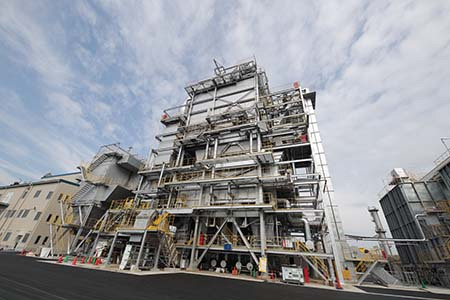
Ehime Forest Generation, LLC, established by Ene-Vision Co., Ltd., a Group company, constructed and commenced commercial operation of the Matsuyama Biomass Power Plant, a wood biomass power plant, on April 1, 2018. The power plant was constructed on an approximately 30,000 m2 site in Matsuyama City, Ehime Prefecture. It is the first wood biomass power plant in Ehime Prefecture and uses only wood biomass to generate 12.5 MW of electric power for sale using the Feed-in Tariff (FIT) system. The power plant cooperates with local forestry cooperatives to procure raw materials from trees that were thinned to support healthy forest development. The use of energy that is clearly traceable and is generated locally for local consumption achieves stable supplies and contributes to the preservation of biodiversity. In combination with Gotsu Biomass Power Plant, operated by Shimane Forest Generation, LLC in Gotsu City, Shimane Prefecture, total biomass power output is 25.2 MW.
Toyota Tsusho is also promoting business that contributes to global environmental conservation, forestry and regional revitalization through the production of saplings.
Sapling production, which was 1.3 billion saplings each year at its peak, has currently declined sharply to 60 million per year. As a result, Japan's reforestation rate is around 50%.
In partnership with the Miyakonojo Forest Owners Association, in a district of Kyushu where the shortage of saplings is particularly acute, the company has set up a system for production of local mountain saplings (cedar saplings) in the region in Miyakonojo city, Miyazaki Prefecture. For fiscal year 2026, we aim to establish an annual production capacity of 250,000 cedar saplings.
The company also promotes wood chip biomass fuel supply business. It is contributing to Japan's reforestation rate through sapling production, and making efforts to build a sustainable supply chain in biomass energy.
The Toyota Tsusho Group systematically assesses biodiversity risks using ISO 14001 environmental management systems and environmental management rule books and takes action to mitigate identified risks.
We also participate in biodiversity-related certification programs as a part of those efforts.
In conjunction with recent global economic growth, demand for bluefin tuna has been increasing rapidly, and overfishing resulted in bluefin being considered for inclusion on the Red List.
Toyota Tsusho partnered with Kinki University, which created the world's first successful complete bluefin tuna cultivation, to establish and operate Tuna Dream Goto, the world's first commercial complete bluefin tuna cultivation venture.
The business has acquired certification under the nursery stock certification program of the Seedlings Council for Sustainable Aquaculture (SCSA), a nonprofit organization.
The SCSA conducts on-site confirmations and peer viewings by experienced academics and obtains public comments on assessment reports to prepare a final report and make a determination whether certification can be granted.
With SCSA certification, Tuna Dream Goto can state to consumers that its fish are cultivated using artificial stocks in order to preserve natural fish (a natural resource). In addition, complete histories from parent to egg, fingerling, fry, and adult fish are maintained, making it possible to ensure traceability and safety right up to the products.
Toyota Tsusho has also acquired chain of custody (COC) certification from the SCSA as the distributor of Tuna Dream Goto Bluefin tuna.
Toyota Tsusho engages in sustainable business activities. The preservation of biodiversity is emphasized as a standard of sustainability.
We work to determine impacts of our business on biodiversity including the status of endangered species living in the vicinity of our business sites and specified information in protected areas, and we undertake business development with risk mitigation in mind. We see the preservation of biodiversity as a positive and the loss of biodiversity as a negative, and we conduct environmental risk assessments to mitigate losses. In cases where there are negative impacts on ecosystems, we take measures to offset those impacts.
Eurus Energy Holdings Corporation, a renewable energy power generation business in the Toyota Tsusho Group, conducts environmental assessments at the pre-project stage and selects sites for the installation of power generating facilities based on the assessment results and projected impact on biodiversity. Environmental protection measures have also been taken, including efforts to avoid bird strikes (birds colliding with windmills) based on expert advice (such as by increasing wind turbine visibility for birds), and transplanting of precious plants. Furthermore, following the start of operations, Eurus Energy Holdings conducts thorough post-operation surveys and environmental monitoring to confirm the validity of the environmental assessment results and verify the effectiveness of the environmental conservation measures.
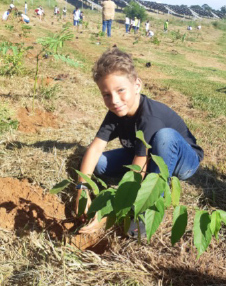
Amid the great concern over deforestation in Brazil, we have contributed to afforestation on our own land and nearby private land as part of our community activities. We have planted 1,000 trees every year since 2007, reaching 20,000 trees in total.
As international concern about environmental conservation in the Amazon increases, to maintain and expand business, it is essential to avoid dealing in goods that are produced in conjunction with deforestation and other such practices.
NOVAAGRI INFRA-ESTRUTURA DE ARMAZENAGEM E ESCOAMENTO AGRÍCOLA S.A. (NovaAgrí), a Toyota Tsusho group company operating grain infrastructure businesses such as grain warehouses, rail transshipment facilities, and export terminal operations in central and northeastern Brazil, conducts its business in Brazil under a policy aimed at preventing deforestation while maintaining an environment enabling sustainable soybean production.
Toyota Tsusho Corporation supports the Keidanren Initiative for Biodiversity Conservation*.
* The Keidanren Initiative for Biodiversity Conservation is a group of companies and organizations that are working on several of the seven items listed in the “Declaration of Biodiversity by Keidanren and Action Policy (Revised Edition)” or that support the whole idea and purpose of the initiative. Logos and future activity policies/examples of supporting companies and organizations are posted on a special website (Japanese/English) to introduce and promote them domestically and overseas.

Toyota Tsusho supports the "J-GBF Nature Positive Declaration" and has adopted the following Nature Positive Declaration:
Since 2017, we have been responding to the CDP questionnaire on forests (soy and timber), a global information disclosure program regarding corporate timber. Since 2018, we have further expanded the scope of disclosure to include soy, timber, and palm oil, and are actively working to disclose information.
Toyota Tsusho Group undertake various measures in cooperation with local governments, NPOs, companies, and other stakeholders to reduce the loss of biodiversity.
In April 2026, Toyota Tsusho Europe supported "Zasaď život," an environmental initiative dedicated to forest restoration in the Czech Republic. Aiming to contribute to biodiversity conservation and carbon footprint reduction, the company sponsored tree-planting activities in state-owned forests.
As part of its support for this project, Toyota Tsusho Europe purchased saplings and organized tree-planting activities on a designated work afternoon, traveling to a planting site outside the city. The result was the planting of 1,000 new trees.